


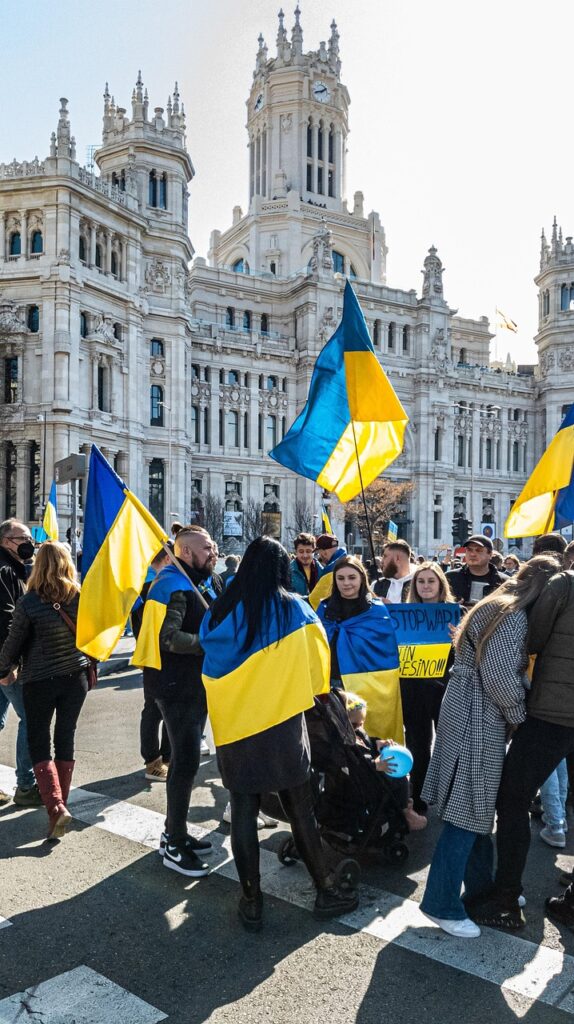
France is once again in revolt. On September 18, nearly a million people joined one of the biggest strikes in recent memory. Teachers, transport workers, and hospital staff walked out against proposed budget cuts of more than €40 billion. A movement calling itself Bloquons Tout — “Block Everything” — erected barricades, paralyzed traffic, and clashed with police.
The new prime minister, Sébastien Lecornu, barely survived his first week in office under threat of censure. Meanwhile, NGOs warn that France has been “dropping out of democracy” since 2017, as authorities restrict protests and dissolve associations. Public trust in politics has cratered. Adding to the turbulence, former president Nicolas Sarkozy was sentenced to five years in prison for criminal conspiracy, a dramatic symbol of both accountability and decay.
To many, this looks like another round of French chaos — a society forever oscillating between revolution and repression. But seen through a developmental lens, France’s turmoil makes sense.
A Nation Caught Between Stages
My Five-Stage Model of Civilization suggests that societies, like individuals, mature emotionally. They move from fear and dependency (Stage 1), through anger and rivalry (Stage 2), through paternalism and conformity (Stage 3), through assertion of rights and freedom (Stage 4), to a final stage of collaborative maturity (Stage 5), where empathy, consensus, and fairness guide public life.
France today is stuck between Stages 2, 3, and 4.
- Stage 2 anger is visible in the barricades, strikes, and violent clashes. Citizens feel betrayed and lash out against institutions.
- Stage 3 paternalism persists in France’s centralized state. Leaders govern as stern parents, imposing austerity from above.
- Stage 4 rebellion erupts in civil society’s demand for liberty, dignity, and authentic voice.
What France lacks is Stage 5 maturity: politics built on empathy, inclusion, and collaborative problem-solving.
Echoes of History
This is not new. The French Revolution of 1789 embodied Stage 2 anger; the Napoleonic state reflected Stage 3 paternalism. The uprisings of May 1968 were classic Stage 4 rebellion against conformity. France has even glimpsed Stage 5 — in its role founding the European Union after World War II, and more recently in citizens’ assemblies on climate policy. But these flashes of maturity have never been institutionalized.
What Stage 5 Would Mean
In a mature society, budget debates would not trigger barricades. Instead, they would be mediated by permanent forums bringing together government, unions, employers, and citizens.
Economic reforms would not pit austerity against welfare. They would balance prosperity with fairness through “communitarian capitalism,” where fiscal stability coexists with social protections and transparency.
Justice would not mean only harsh policing of protests. It would include restorative programs that address the roots of crime in trauma and exclusion. Communication would not be dominated by slogans and demonization. It would be authentic, empathic, and inclusive.
Stage 5 is not utopia. It is simply the next step of social maturity — a way of harmonizing freedom, equality, and community.
Paths Ahead
France now faces several possible trajectories:
- Regression: Hardening repression and deepening anger spiral into instability.
- Stagnation: Paternalistic half-measures preserve order but fail to restore trust.
- Oscillation: The country swings endlessly between rebellion and repression.
- Progress: Incremental reforms gradually build new trust.
- Leap: A national pact — a kind of “Stage 5 social contract” — resets fiscal policy, social fairness, and democratic legitimacy.
Which path France chooses depends less on debt ratios than on emotional development at the collective level.
Toward Maturity
If France is to move forward, it must transform its turmoil into dialogue. Leaders should institutionalize citizens’ assemblies, negotiate fiscal choices openly, and embrace transparency in taxation and spending. Justice must shift from punitive reflexes to trauma-informed rehabilitation. Education should teach empathy and conflict resolution, not just history and math. And above all, political communication must become authentic: leaders who listen as much as they speak.
France is not alone in facing this challenge. Many democracies oscillate between anger, paternalism, and rebellion. But France’s long history of revolution gives it both the risk of regression and the possibility of leadership.
Today’s turmoil is a test: can France rise from protest to maturity? The answer will shape not only its own future but the trajectory of democracy in Europe.